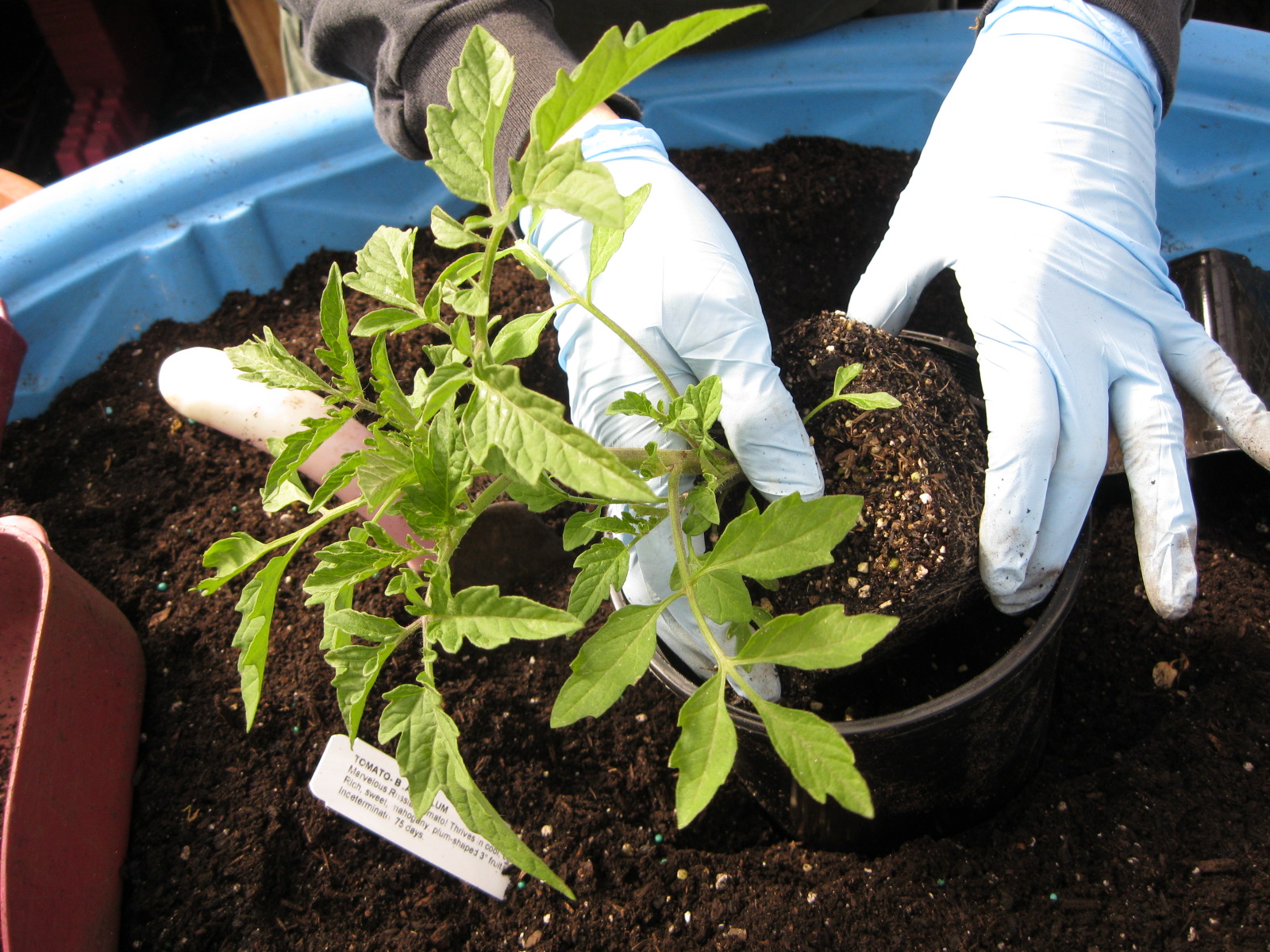
 It’s a wonderful, magical time of year- cool season vegetable planting time!
Oh my, veggies and other edibles are certainly the thing right now. People really want to grow their own food, and they’re so excited to plant anything and everything……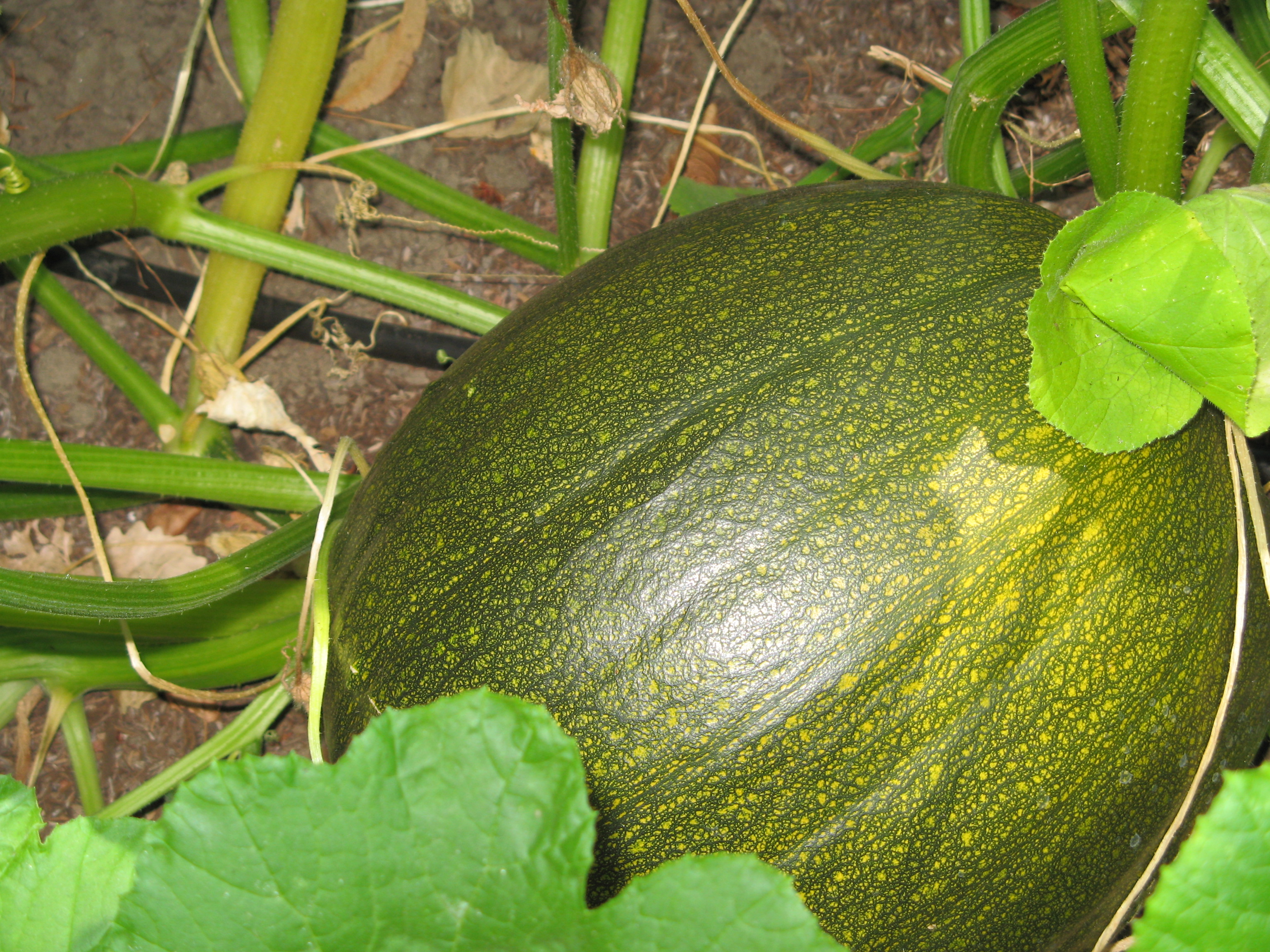
Thinking of growing cool season vegetable plants, from seed or starts? We carry both! High quality seeds that are guaranteed to grow, and eager young starter plants that are locally grown. Yes! And food can be grown year-round here in Sonoma County, and you can even incorporate edibles into your ornamental landscape (this trend is called ‘ornamedibles’)
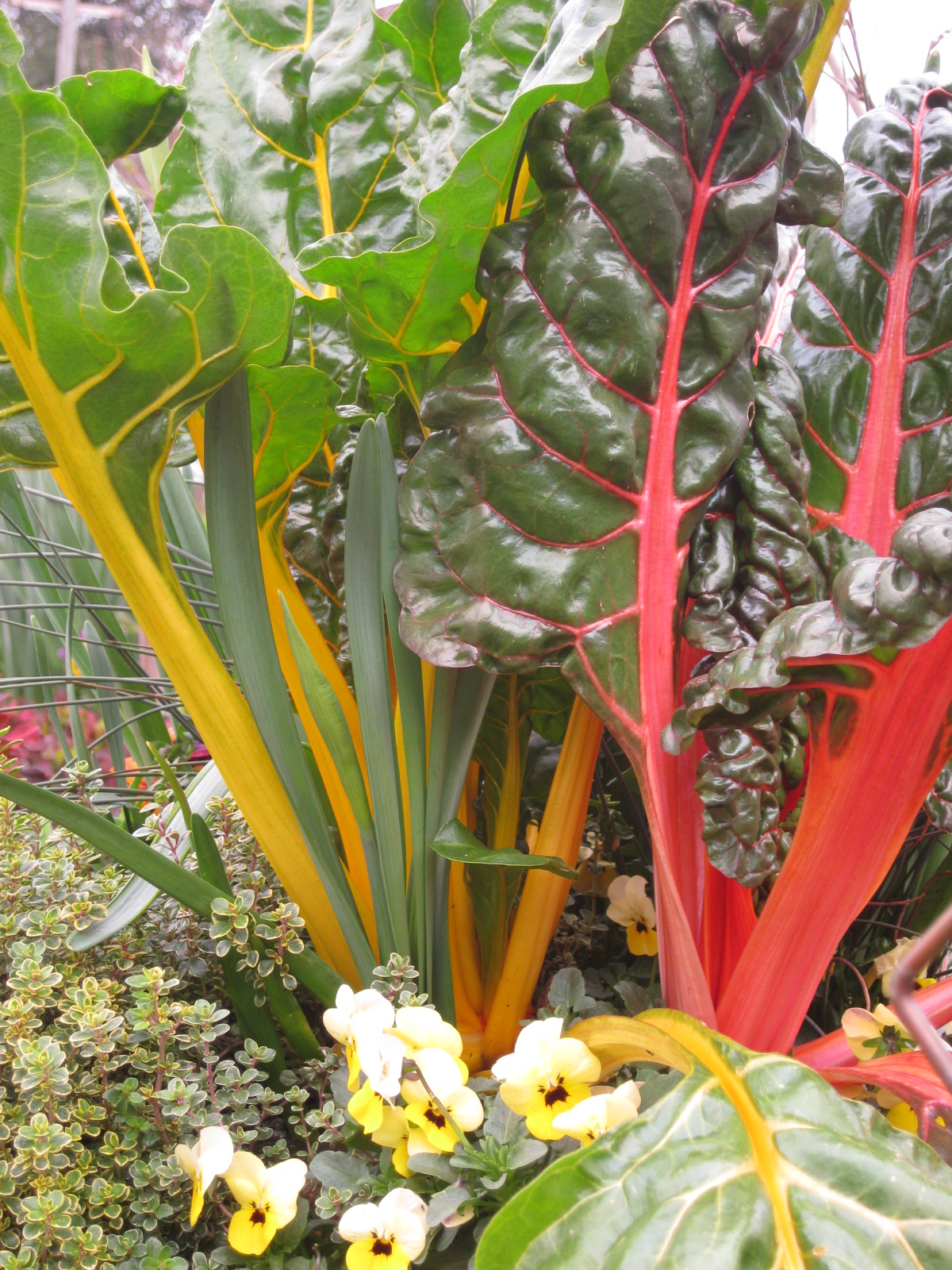 Since more gardeners have decided they like heirloom and unusual veggies and herbs, we like to offer cool season stuff you don’t see anywhere else, like ‘Cheddar’ cauliflower, purple broccoli, or kallettes.
Some folks are devoted to reliable stalwarts in the veggie garden. If you are the type who relies on the tried and true, you’ll find the great fall and winter classics here- ‘Snowball’ cauliflower, romaine lettuce, sugar snap peas, etc.
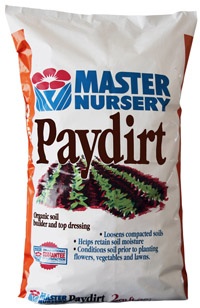
It’s wise to add compost and get the soil ready to embrace the new additions you’ll soon be tending. We LOVE Paydirt, a stinky organic compost made from chicken manure and mushroom compost. An easy way to add this in is to put a 3-6″ layer over your plot, then rototill as usual. Or, if your not tilling, just ‘double dig’ the compost into each planting hole, leaving the rest of the compost layer undisturbed; it will act as a mulch, keeping weeds out and moisture in (every bit counts!)
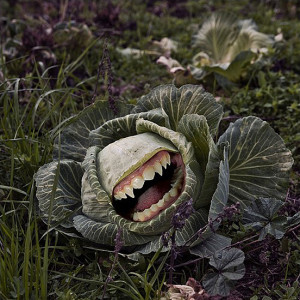
Feed Me!
Did you know how much of a difference it makes when you fertilize your veggie garden? If you want the most produce you can grow, throw out some granular veggie food, like Master Nursery Tomato vegetable food or E.B.Stone organic tomato vegetable food. I noticed a big increase in the amounts that were harvested through the season when I fertilized once a month, and it hardly took any time at all. I just scattered the food around the root zone of all my herbs and veggies, then watered it in- done!
Until recently, eliminating slugs and snails from my tender seedlings would require the application of highly toxic snail bait. Now there’s Sluggo- iron phosphate, which is safe for humans, pets and wildlife. This product is perfect for the veggie garden, it’s organic, and any unconsumed pellets even break down into nutrients that feed your plants. How do they come up with this stuff?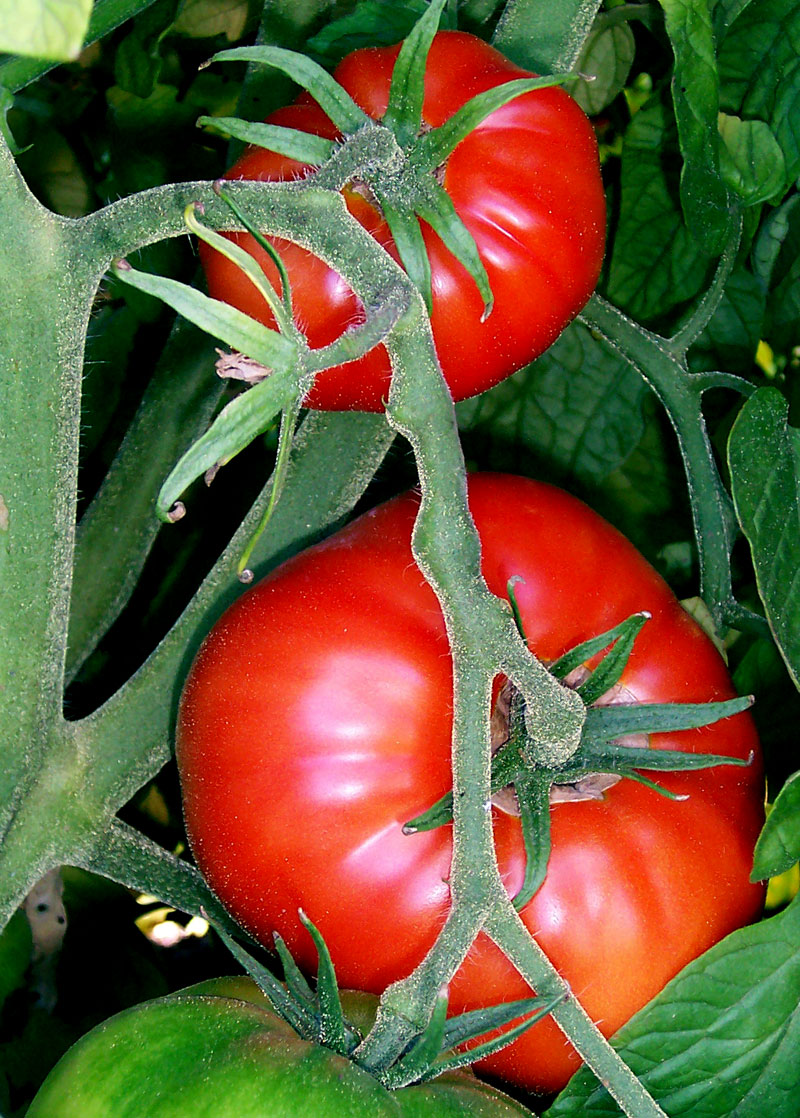
Plant most crops in the full sun, or at least 6 hours of afternoon sun, to get your plants to produce well. Certain types of veggies like as much heat as possible, like peppers and melons, while other things can accept partial sun, like strawberries, lettuces and basil.
Remember, King’s is a great resource to help you along the veggie garden path. We will answer any questions, offer growing tips and advice, demonstrate and explain what you can do to have a successful harvest- just come on in!